

SaaS SEO Agency
SaaS SEO that fixes the foundation before it fills the funnel.
SEO for software companies from a developer-led team: technical SEO built into your site, an architecture that covers every buyer intent, bottom-of-funnel content, and AI search visibility. From the team behind the doxy.me, Dragonboat, and Hoppr rebuilds.
Why SaaS SEO Is Mostly a Technical Problem
Most SaaS companies do not have a content problem. They have a platform problem wearing a content problem’s clothes. The marketing site was built by a designer in Webflow or Squarespace, or by an engineer as a JavaScript app, or on a page builder someone chose in a hurry before the seed round. It looks fine. Underneath, search engines see content that renders late or not at all, product and feature pages that share one template and one intent, integration and comparison pages that never got built, and Core Web Vitals in the red. Publishing more blog posts on that foundation is pouring water into a cracked glass.
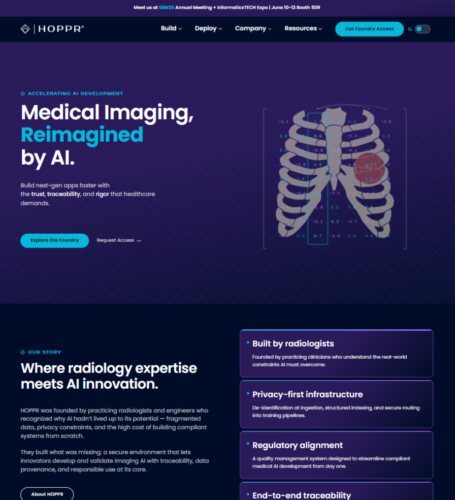
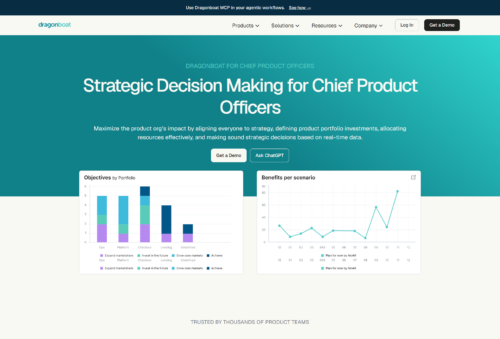
We come at SaaS SEO from the code side. We are the team that re-architected doxy.me’s JavaScript marketing site into semantic, fully crawlable HTML, that rebuilt Dragonboat’s site to cut Largest Contentful Paint from 15.7 seconds to 2.3, and that moved Hoppr off Squarespace to a custom WordPress build with a 100/100 SEO score. The technical fixes in our audits get built, not filed, and the content strategy that follows lands on pages designed to rank.
What Our SaaS SEO Services Cover
Scoped to the product and the market, but every engagement includes these six areas.
Technical SEO for SaaS Sites
Rendering, crawlability, indexing, Core Web Vitals, canonicalization across app and marketing subdomains, and clean markup on every template. Where the marketing site is a JavaScript application, we make its content readable without script execution. See our technical SEO service.
Site Architecture and Keyword Mapping
A page for every intent a buyer has: product, feature, use case, industry, integration, comparison, and alternative. Each gets a distinct target from a keyword map, so pages stop competing with each other and start covering the funnel.
Programmatic Pages, Done Properly
Integration directories, template libraries, and glossary sections built as structured content with real, unique value on each page and the internal linking to support it, rather than thin templated pages that get pruned in the next core update.
Content Strategy for the Buying Committee
Bottom-of-funnel first: comparison, pricing, and alternative pages that capture buyers already evaluating, then the problem-aware content that fills the top. Written with your product and customer teams so it is accurate and specific.
AI Search Visibility
Software buyers increasingly ask ChatGPT, Perplexity, and Google AI Overviews which tool to use. Structured data, entity clarity, and direct-answer content get your product cited in those answers. Our AI optimization service goes deeper.
Migrations Without Ranking Loss
Moving from Webflow, Squarespace, HubSpot CMS, or a headless framework to WordPress, or consolidating domains after an acquisition, with every URL mapped, redirected one to one, and monitored through launch week.
What We Find in SaaS SEO Audits
Every engagement starts with a technical and architectural audit. These are the findings that repeat across software companies of every size.
Content search engines cannot see
A marketing site built as a single-page application, with product copy, pricing, and docs that only exist after JavaScript runs. Crawlers see it late, partially, or never. doxy.me’s site had exactly this problem until the rebuild.
One template for every intent
Features, use cases, and industries all rendered from the same layout with the same headings, so Google cannot tell the “project management for agencies” page from the “project management software” page, and ranks neither.
Missing bottom-of-funnel pages
No comparison pages, no alternatives pages, no integration pages, and a pricing page that is thin or gated. The highest-intent searches a buyer makes have nowhere to land except a competitor’s site.
Subdomain and canonical sprawl
app., docs., help., blog., and www. each with their own indexing rules, duplicated content, and no canonical strategy, splitting authority across five properties instead of concentrating it on one.
Slow templates on a builder
Heavy hero video, third-party scripts for every tool in the marketing stack, and builder markup that pushes mobile Core Web Vitals into failing territory. Hoppr’s Squarespace site scored 42 on mobile performance before the rebuild.
No machine-readable entity
No SoftwareApplication, Organization, or FAQPage schema, inconsistent product naming, and no direct answers to the questions buyers ask, so the product is invisible to the AI answers that increasingly decide the shortlist.
What to Expect, and How We Report
Technical fixes ship in the first weeks and show up in Search Console quickly: pages indexed, rendering issues cleared, Core Web Vitals passing. New architecture and bottom-of-funnel pages typically start moving within a few months, with head terms taking longer depending on the category and the authority you start with. We do not promise rankings on a date, and we will tell you when a target is out of reach for your current domain so the budget goes where it can work.
Reporting is built around the pipeline, not page views: qualified organic sessions, rankings for the product, feature, and comparison terms in your keyword map, citations in AI answers for your category, and, with your analytics and CRM connected, the trials, demos, and signups that came from search. Our AI visibility plans add monthly monitoring of how often your product is named in AI answers against your competitors.
How a SaaS SEO Engagement Works
Audit and keyword map.
A technical audit of rendering, indexing, speed, and structure, a competitive review of who ranks for your category, and a keyword map covering product, feature, use-case, integration, and comparison intents.
Fix the foundation.
Rendering and crawlability resolved in the theme, canonicals and subdomains sorted, schema deployed, Core Web Vitals brought to passing, and redirects restored from past redesigns.
Build the pages.
New templates and pages for the intents you were missing, programmatic sections built on structured content, and bottom-of-funnel pages written with product and customer teams.
Expand and report.
Content and link work based on what is moving, AI answer monitoring, and a monthly report tied to rankings, traffic, citations, and pipeline.
Developer-Led, Which Matters More for SaaS Than Anywhere
SaaS marketing sites are the most technically varied sites we work on: React and Next.js front ends, headless CMSs, Webflow, HubSpot, and WordPress in every state of repair. An SEO agency that hands your engineering team a 60-item ticket list is competing for sprint capacity with the product roadmap, and the tickets lose. Because we build and re-architect these sites ourselves, the technical half of the work gets done by us, on your existing platform where possible, or on a custom WordPress rebuild where the platform is the problem. Our WordPress SEO services cover the code-level side in depth, and a standalone SEO audit is available if you want the diagnosis before committing to treatment.
SaaS and Platform Work
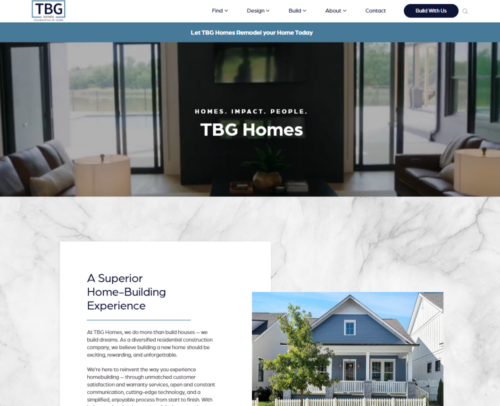
Three software companies whose marketing sites were holding their products back, and one home builder whose rebuild shows what structured, search-first architecture does for organic growth.

doxy.me
Case study: re-architecting Doxy.me's JavaScript web platform into a custom WordPress theme — pixel-perfect design preservation, faster loads, and fully crawlable content.
HOPPR
Dragonboat
TBG Homes
SaaS SEO Questions, Answered
What is SaaS SEO?
SaaS SEO is the work of making a software company’s website rank in search engines, and increasingly in AI answers, for the searches its buyers make at every stage: the problem they are trying to solve, the category of tool that solves it, specific features and integrations, and comparisons between named products. It differs from SEO for most businesses in two ways. The marketing site is usually more technically complex, often a JavaScript application or a builder like Webflow, so rendering and crawlability come first. And the buying journey is longer, so the page architecture has to cover many more intents than a local service business needs.
How do you improve SEO for a SaaS company?
Start with the foundation: make sure the site renders its content as HTML search engines can read, passes Core Web Vitals, has a clean canonical and subdomain strategy, and carries structured data. Then map every buyer intent to a page: product, features, use cases, industries, integrations, comparisons, and alternatives, each with a distinct target. Build bottom-of-funnel pages first because they convert, then expand upward into problem-aware content. Measure against pipeline, not traffic. In our experience the foundation is where most SaaS companies are actually losing, which is why we handle it as engineering work rather than recommendations.
How important is SEO for a SaaS business?
For most SaaS companies it becomes the lowest-cost acquisition channel once it is working, because a comparison or integration page built once keeps sending qualified visitors for years while paid acquisition stops the day the budget does. It also compounds: authority earned by one page lifts the next. The caveat is that it is slow to start and punishing to do badly, especially on a site with technical problems, so it rewards companies that fix the foundation early and invest consistently over those that publish in bursts.
How long does SaaS SEO take to work?
Technical improvements register in Search Console within days to weeks. New bottom-of-funnel and architecture pages usually begin moving within a few months. Category head terms take longer and depend on the authority your domain starts with and how entrenched the incumbents are. As a reference point, doxy.me ranked for about 30% more keywords within six months of its site being rebuilt as semantic HTML, and hoppr.ai ranked for 70% more keywords within three months of leaving Squarespace, according to Semrush.
How should we choose a SaaS SEO agency?
Ask who implements the technical recommendations and whether they can work in your stack, because a ticket list handed to your engineers competes with the product roadmap and usually loses. Ask for case studies with dated, verifiable numbers rather than screenshots. Ask how they handle JavaScript rendering, subdomains, and programmatic pages specifically, since generic agencies often have not. And ask how results are reported: rankings for your actual product and comparison terms, AI answer citations, and pipeline attributed to organic, not just sessions.
Does AI search change SEO for software companies?
Yes, and faster than in most industries, because software buyers were early adopters of asking ChatGPT and Perplexity for tool recommendations. Those systems, and Google’s AI Overviews, draw on structured data, consistent entity information about the product and company, and content that answers questions directly. The good news is that the same foundation that ranks well in classic search is what gets a product cited in AI answers; the work is not separate, it is deeper. We build SoftwareApplication, Organization, and FAQPage schema, consistent product entities, and direct-answer content into every SaaS engagement and monitor AI citations alongside rankings.
Ready to make search your cheapest acquisition channel?
Tell us about your product, your category, and where your site stands today. We will audit the foundation and show you exactly what we would fix first, with no obligation.