
How to Build an Intent-First SEO & Google Ads Strategy for 2026

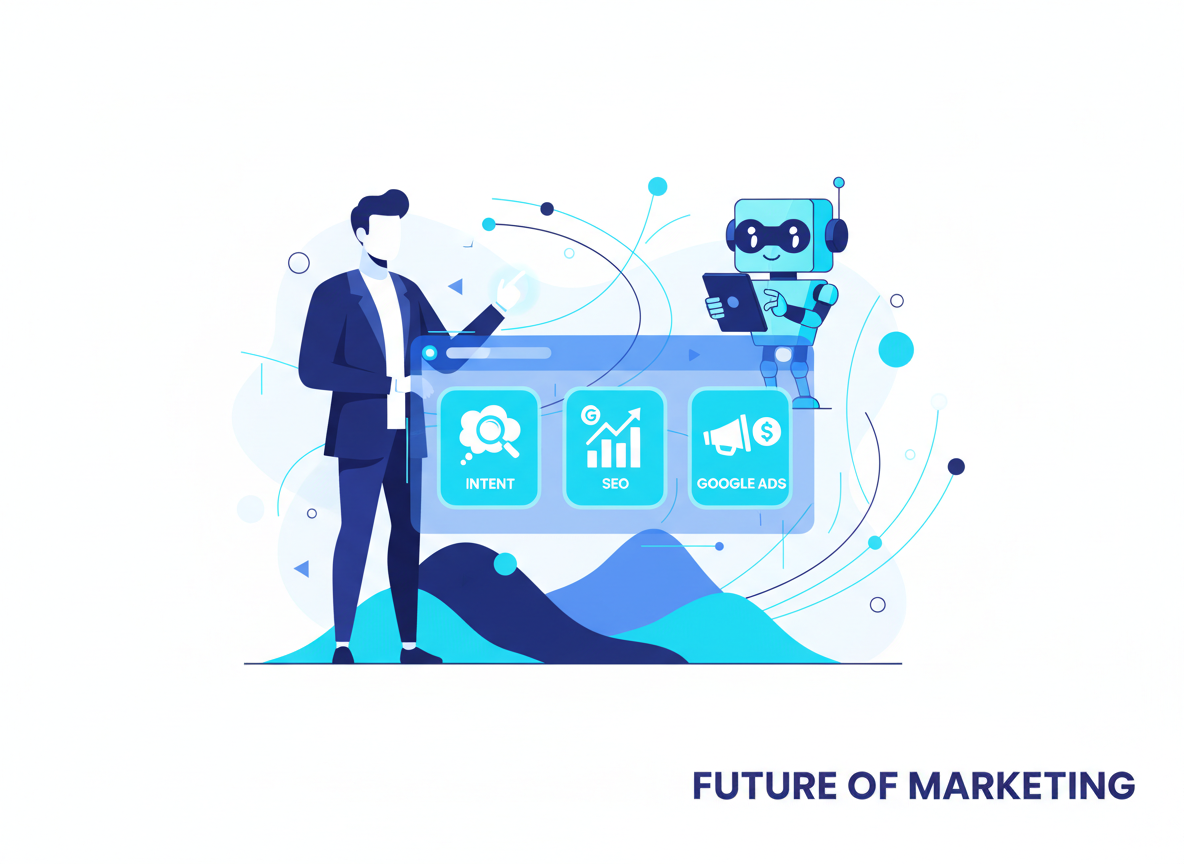
If you want to future-proof your SEO and Google Ads campaigns, it’s time to prioritize search intent over keywords alone. This approach not only aligns with how Google’s AI ranks and displays content, but also increases your chances of being cited by large language models (LLMs) like ChatGPT, Perplexity, and Google Gemini. Here’s how to get started—and win—in 2026.
What Is Search Intent? (And Why It Matters for AI)
Search intent is the purpose behind a user’s query, what they really want to accomplish. AI-powered search engines and LLMs now analyze intent, not just keywords, to deliver the best answers. Learn more about keyword intent types in SEMrush’s guide.
Intent categories:
- Informational (learn something)
- Navigational (find a site or page)
- Commercial (compare solutions)
- Transactional (take action or buy)
Step 1: Audit & Classify Your Keywords by Intent
- Export your keywords (from SEMrush, Google Search Console, or your ad platform).
- Tag each keyword with its intent. For example:
| Keyword | Intent |
|---|---|
| “how to speed up WordPress” | Informational |
| “best WordPress host 2026” | Commercial |
| “buy WordPress maintenance” | Transactional |
- Use tools like SEMrush Keyword Magic Tool to speed up this process.
Step 2: Map Content & Landing Pages to Intent
- Informational: Create in-depth guides, FAQs, and explainer videos. Example: WordPress database optimization .
- Commercial: Build comparison pages, case studies, and solution overviews. Example: Custom WordPress Development vs. Page Builders: Which is Right for Your Business?
- Transactional: Optimize product/service pages and demo CTAs. Example: WordPress maintenance plans.
- Navigational: Make sure branded queries lead to your service hubs. Example: Custom Web Development Services
Step 3: Optimize Ad Campaigns for Intent
- Group keywords by intent in your ad account structure (see Google’s intent-based ad guidance).
- Write ad copy that matches the searcher’s goal (“Download the Free Guide” vs. “Book a Consultation”).
- Link ads to landing pages that fulfill the user’s intent—never send info-seekers to a sales form.
Step 4: Align On-Page SEO & CRO with Intent
- Use clear, intent-matching headlines (e.g., “How to Fix Slow WordPress Sites”).
- Add CTAs that fit the user’s stage (soft offers for info, hard offers for transactional).
- Include FAQs and schema markup to capture featured snippets and AI citations.
- Use semantic HTML and comprehensive schema to help LLMs and search engines understand your content structure.
Step 5: Measure & Iterate
- Track conversions, bounce rates, and engagement by intent category.
- Use Google Analytics 4 and heatmaps to see if users are finding what they expect.
- Regularly update your keyword intent mapping as trends shift.
Step 6: Pro Tips for AI & LLM Optimization
- Use Google’s “People Also Ask” and AI Overviews to discover real-world intent questions.
- Review competitors’ top-ranking content for each intent type.
- Build internal links from informational to commercial/transactional offers.
- Test ad copy and landing pages for each intent segment—optimize for what converts.
- Write clear, direct answers and include specific, quotable statements for AI citation.
- Add FAQ schema and ensure your content is crawlable and indexable.
Bottom line: An intent-first strategy is your best path to SEO, PPC, and AI success in 2026. Start with your audience’s goals, and let intent guide every decision from keyword research to landing page UX.
Sources: